








Electric scooters rarely fail all at once.
They signal trouble quietly.
A slight wobble at low speed. A foot that keeps shifting at signals. A new rattle that wasn’t there last week. Most riders ignore these signs until frustration builds and the scooter gets blamed.
In reality, many everyday electric scooter problems are not technical faults. They are setup problems. From what riders share with us at Favourite Auto, the pattern is consistent: the scooter works fine, but the riding experience slowly degrades because a few practical gaps were never addressed.
This blog looks at the most common electric scooter problems riders face and explains which accessories actually help solve them without unnecessary upgrades.
Understanding the Intent: Fix the Experience, Not the Scooter
When riders search for electric scooter problems, they are usually asking one of two things:
-
“Is something wrong with my scooter?”
-
“Why doesn’t my ride feel as good as it should?”
In many cases, the answer is neither mechanical nor electrical. It’s functional. The scooter needs support where real-world riding creates stress.
Problem 1: Unstable Footing in Traffic and During Braking
This is one of the earliest problems riders notice, especially in stop-and-go traffic.
Symptoms include:
-
Feet shifting during braking
-
Reduced confidence at signals
-
Mental fatigue from constant adjustment
This is common on electric scooters because smooth acceleration hides instability until traffic demands quick reactions.
Accessory that helps:
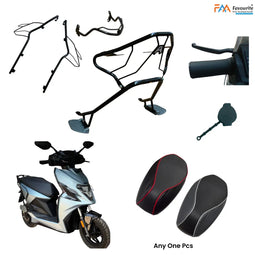
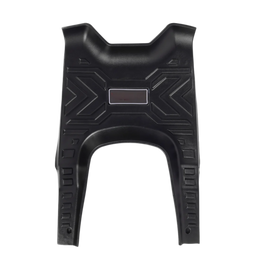
Anti-slip floor mats and properly designed scooter footrests.
These accessories:
-
Lock foot position
-
Improve braking control
-
Reduce constant micro-adjustments
Better footing immediately improves confidence and comfort.
Problem 2: Rider Fatigue on Short Daily Rides
Many riders are surprised by how tired they feel after short commutes.
This happens because:
-
Posture is slightly off
-
Weight is unevenly distributed
-
Riders unconsciously tense muscles to compensate
Electric scooters amplify posture issues because they are quiet and smooth, leaving nothing to mask discomfort.
Accessories that help:
Footrests and seat comfort enhancements.
By supporting natural posture, these accessories:
-
Reduce muscle strain
-
Improve endurance
-
Make short rides feel lighter
Fatigue is often a comfort issue, not a stamina issue.
Problem 3: Anxiety About Minor Falls and Parking Damage
Electric scooters feel expensive to repair, and that fear affects how riders behave.
Common signs:
-
Hesitation in tight spaces
-
Over-cautious riding
-
Stress while parking or manoeuvring slowly
This mental load reduces overall riding comfort.
Accessory that helps:
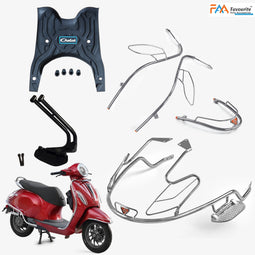
Scooter crash guards.
Crash guards:
-
Protect side panels from low-speed impacts
-
Reduce damage from parking mishaps
-
Lower anxiety around everyday use
Peace of mind is a real performance upgrade.
Problem 4: Rattling Noises and Loose Feel Over Time
Rattles are not always mechanical failures. They often result from poorly fitted or low-quality accessories interacting with the scooter frame.
Electric scooters are silent, so even small noises become noticeable and irritating.
Accessories that help:
Well-fitted, model-specific accessories designed for EV weight and usage.
At Favourite Auto, riders frequently report that replacing generic accessories with better-fitted alternatives eliminates noise and restores ride confidence.
Problem 5: Reduced Riding Confidence in Rain and Dust
Wet roads and dusty conditions expose grip weaknesses fast.
Symptoms include:
-
Slipping feet
-
Hesitation during braking
-
Increased stress in traffic
This is not a riding skill issue. It’s a contact issue.
Accessory that helps:
High-grip floor mats designed for all-weather conditions.
Grip-focused accessories allow riders to stay relaxed and focused, even when conditions are less than ideal.
Problem 6: Feeling That the Scooter “Aged Too Quickly”
Some riders feel their electric scooter loses its “new” feel within months.
This usually comes from:
-
Cosmetic wear
-
Minor panel damage
-
Gradual comfort decline
These are not inevitable. They are preventable.
Accessories that help:
Protective and comfort-focused essential accessories.
Protection reduces visible wear. Comfort upgrades keep the riding experience consistent over time.
Why Accessories Solve Problems Better Than Adjustments Alone
Many riders try to adapt their riding style instead of fixing the root cause.
They:
-
Shift posture unnaturally
-
Avoid certain roads
-
Ride more cautiously than needed
Accessories work because they remove the problem instead of forcing the rider to compensate.
This leads to:
-
More natural riding
-
Better control
-
Less fatigue
How to Diagnose Your Scooter’s Real Problem
Before assuming a mechanical issue, ask:
-
Do I feel unstable or tense while riding?
-
Am I constantly adjusting foot position?
-
Do small noises bother me more than they should?
-
Do I ride differently in traffic than I want to?
If the answer is yes, the solution is often functional, not technical.
A Practical Problem-Solving Upgrade Order
To solve the most common electric scooter problems, prioritize:
-
Foot grip and posture support
-
Impact protection
-
Comfort enhancements
-
Additional protective accessories
This sequence fixes control first, confidence second, and comfort third.
Final Thoughts
Electric scooters are reliable machines. Most everyday frustrations come from incomplete setups, not defects.
The right accessories:
-
Remove friction points
-
Restore confidence
-
Make riding feel intuitive again
If your electric scooter feels slightly “off,” don’t rush to blame the scooter. Look at what’s missing around it.
Small fixes often create the biggest improvements.
FAQs
What are the most common electric scooter problems riders face?
The most common electric scooter problems include unstable footing, rider fatigue, rattling noises, anxiety about minor damage, and reduced confidence in traffic or rain. These issues are often related to comfort and setup rather than mechanical faults.
Can scooter accessories really solve riding problems?
Yes. The right electric scooter accessories improve posture, grip, protection, and confidence. Many riding problems disappear once foot stability, comfort, and impact protection are properly addressed.
When should I consider accessories instead of repairs?
If your scooter functions normally but feels uncomfortable, unstable, or stressful to ride, accessories should be considered before repairs. Functional upgrades often resolve issues without mechanical intervention.
Do protective accessories reduce long-term electric scooter maintenance costs?
Yes. Protective accessories such as crash guards and panel protection reduce damage from minor impacts and daily wear, helping lower repair and maintenance costs over time.


