




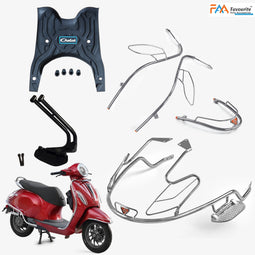

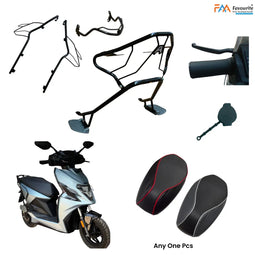

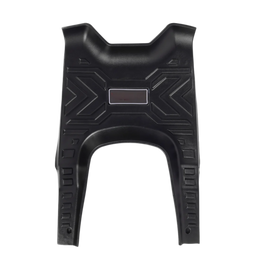


If you're one of the growing band of riders who’ve embraced the electric scooter revolution, you know the thrill of gliding silently through city streets, leaving tailpipe worries behind. But as with any vehicle—especially compact, high-tech ones—there are some recurring electric scooter problems that riders face. Before we dive in, let’s talk about gear: for a rider who cares, accessories matter. I’ve been browsing at the store Favourite Auto Accessories and found some great items like a safety guard kit with a crash guard, footrest and mudguard (suited for EV scooters) and a premium storage organizer for models like the Ola S1, S1 Pro or X series. These accessories are not just for aesthetics — they help protect your ride, make it more comfortable and can reduce wear-and-tear. So while you equip your ride, let’s also talk about the common problems and how to fix them.
1. Battery & Charging Issues
One of the most frequently cited issues is with the battery or charging system of electric scooters. According to a guide on electric scooter problems, typical issues include a battery that dies, a charger that’s defective, or the scooter slowing down.
Problem: The scooter is not charging, or the range has dropped significantly.
Why it happens: It could be a worn‐out battery pack, incorrect charging practice (e.g., letting it drain completely then leaving it uncharged), extreme temperatures, or a faulty charger.
Fix:
-
Ensure you use the OEM or a high-quality charger; check the port and cable for frays.
-
Charge after each major ride rather than completely depleting the battery.
-
Avoid leaving the scooter parked uncharged for extended periods (weeks).
-
If the range keeps dropping and all else is normal, your battery may have reached the end of its lifespan and may need replacement. According to one source, “the only remedy is to replace your electric scooter battery.”
-
Also check for excessive heat during charging – as described by the manufacturer blog: “unusual or excessive amount of heat from the battery or charger … indicates an electric scooter overheating problem and requires immediate action.”
2. Sluggish Performance / Range Drop
Another common complaint: your EV scooter seems to struggle, slows unexpectedly, or the usable range has shrunk. The idea of “runs slowly” is tied mostly to battery degradation or motor/controller issues.
Problem: On flat roads, your scooter feels underpowered, or you cover fewer kilometres than you used to.
Why it happens: Worn-out battery pack, or in some cases motor/controller issues, but the battery is usually the culprit.
Fix:
-
Start by checking battery health: if it’s old, capacity may have diminished.
-
Ensure proper tyre pressure and that you’re not carrying excessive load, both of which drain the battery faster.
-
If battery health is still good but performance is bad, have the motor and controller checked.
-
Also, simple things like riding style (frequent hard accelerations) and terrain (hills) affect things — adapt your expectations.
3. Tyre, Brake & Suspension Wear
Electric scooters are still two-wheelers, and physical wear and mechanical issues apply. Punctures, worn tyres, ineffective brakes and suspension troubles show up often. For example, tyres with poor tread are especially problematic in wet/rainy conditions.
Problem: Tyre punctures, brake sponginess, weird suspension feel.
Fix:
-
Check tyre tread depth regularly; if you ride through rainy seasons, ensure grip is still good.
-
Ensure brakes are properly adjusted, and brake pads are within spec.
-
If your scooter frequently runs over rough terrain (as many city rides do), check the suspension and tighten/inspect bolts.
-
Consider aftermarket accessories to protect under‐chassis or vulnerable parts (for instance, a safety guard/mudguard combo – like those found on Favourite Auto). These can help reduce damage from potholes or debris.
4. Water Ingress & Corrosion (Especially in Rain)
In climates like ours (monsoon seasons, variable storage), water and environmental exposure cause real trouble. From wet wiring to rusted components — this is a real form of “electric scooter problems”. For instance, one blog says: water entering the battery compartment can cause a short circuit; wet roads reduce traction; rust and corrosion also show up.
Problem: Electrical glitches after rain, sudden loss of power, or visible rust.
Fix:
-
Avoid deep puddles if possible; if you ride through wet areas, follow up by drying exposed parts.
-
After rain, wipe down and dry battery terminals, wiring junctions, and check for signs of moisture.
-
Use waterproof covers or store the scooter indoors/out of the rain.
-
For metal parts (mudguard, crash guard, footrest) exposed to moisture, apply anti‐rust spray or film for extra protection. Again, an accessory like a steel safety guard (available at Favourite Auto) can help safeguard the vulnerable parts.
5. Error Codes & Electronic / Controller Faults
Since many electric scooters depend heavily on electronics (BMS, controller, dash display), you may encounter error codes or sudden electronic faults. A guide lists error codes, controller faults, and defective chargers as part of common issues.
Problem: Dash shows error codes; scooter does not start or cuts out unexpectedly.
Why: Could be electrical/firmware issues, faulty controller or BMS, or poor wiring.
Fix:
-
Familiarise yourself with your scooter’s user manual: many error codes correspond to specific issues (battery pack, controller, motor).
-
If you face persistent errors, visit an authorized service centre — trying to DIY such electronics can lead to bigger damage.
-
Keep firmware (if applicable) updated via the manufacturer or dealer.
-
Ensure that any accessories or wiring you’ve added (USB ports, footrests, crash guard) haven’t interfered with wiring or created strain on connectors.
6. Service, Spare-Parts and Maintenance Challenges
Especially in newer EVs and scooters, one study found that EV scooters report nearly double the problems compared to conventional two-wheelers in India (98 problems per 100 vehicles vs 53).
Problem: Delayed service, difficulty sourcing spares, and higher maintenance costs.
Fix:
-
At purchase, check the network of service centres for your scooter brand.
-
Keep up with scheduled maintenance (even if it seems fine) because preventive care reduces breakdowns.
-
For accessories like crash guards or footrests, choose reputable vendors (e.g., Favourite Auto lists strong & durable products, 40 years of experience), which can help with compatibility and quality.
7. Storage & Security Issues
While not mechanical, owners often overlook storage and security. Leaving a scooter outside, exposed to sun/rain or theft risk, is a problem. Accessories like sturdy locks, mounting brackets (e.g., metal charger holder with locking system) help. On Favourite Auto, you’ll find products like a metal charger holder with a locking system, which hints at how accessories extend beyond just cosmetics.
Problem: Charger stolen, scooter left unprotected, cables damaged.
Fix:
-
Use a secure lock when parking in public spaces.
-
Install a mounting bracket for the charger or a wall-mounted holder so the charger is safe and accessible.
-
If you park outdoors, use a cover, or at a minimum, park under a shelter.
Conclusion
Owning an EV scooter offers many advantages: low running costs, environmental benefits, and convenient urban mobility. But like any machine, you’ll face regular maintenance and occasional issues. From battery and charging glitches, slow performance, water ingress, mechanical wear, to electronics faults — these are among the most common electric scooter problems. The good news: many are preventable with proper care, quality accessories (like those from Favourite Auto Accessories), prompt servicing and smart riding habits.
Frequently Asked Questions (FAQs)
1. What are common electric scooter problems?
Battery issues, charging faults, tyre punctures, and reduced range are the most common electric scooter problems owners face.
2. Why isn’t my scooter charging?
Check the charger, power socket, and charging port. If they’re fine, the battery or BMS may need service.
3. How do I prevent water damage?
Avoid riding through puddles, dry your scooter after rain, and use guards or covers from Favourite Auto.
4. Why is my scooter losing range?
Low tyre pressure, overloading, or old batteries can cause this. Keep tyres inflated and charge regularly.
5. How can I protect my scooter?
Use quality accessories like crash guards, mudguards, and footrests from Favourite Auto to prevent damage and rust.


