
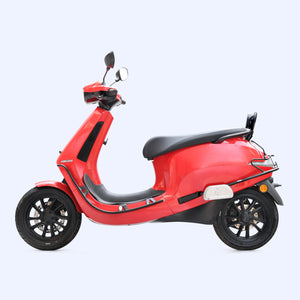

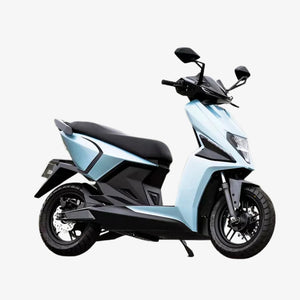







Most electric scooter owners don’t damage their scooters in accidents.
They damage them slowly, quietly, and expensively by treating electric scooters like petrol ones.
Within the first 30–45 days of ownership, the signs are predictable. Comfort drops. Panels loosen. Ride confidence fades. Riders assume the scooter is the problem.
But from what we’ve observed at Favourite Auto while working with electric scooter owners across India, the real issue is usually wrong accessory decisions carried over from petrol-scooter habits.
If you’re riding an electric scooter today, this distinction matters more than you think.
The Core Difference Riders Ignore
On the surface, electric and petrol scooters look similar. Two wheels, step-through design, same roads. But mechanically and behaviorally, they are worlds apart.
Electric scooters are:
-
Heavier due to battery placement
-
Extremely sensitive to balance and posture
-
Quiet, instant-torque machines
-
Structurally dependent on panels and housing
Petrol scooters are:
-
Lighter and front-heavy
-
Designed to absorb vibration and heat
-
Mechanically forgiving
-
Built around engines, not batteries
This difference alone makes accessory selection non-negotiable.
The Costly Habit Petrol Riders Carry Into EV Ownership
Here’s what we see repeatedly when riders switch from petrol to electric scooters:
They reuse the same accessory logic.
Generic foot mats. Lightweight guards. Cosmetic add-ons. Cheap fittings.
On petrol scooters, these choices were tolerable.
On electric scooters, they create problems.
Why?
Because EVs punish imbalance, poor posture, and weak protection far faster.
This is where most riders lose comfort, efficiency, and money.
Why Petrol Scooter Accessories Fail on Electric Scooters
Let’s be blunt.
Most petrol scooter accessories fail on electric scooters for three reasons:
1. Weight Distribution Is Ignored
Electric scooters carry significant weight low and central. Accessories that don’t account for this worsen stability instead of improving it.
Poorly designed footrests and mats shift rider posture and increase fatigue.
2. Impact Sensitivity Is Underestimated
A minor fall on a petrol scooter is cosmetic.
On an electric scooter, it can mean cracked panels, exposed internals, or expensive repairs.
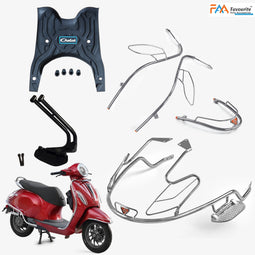
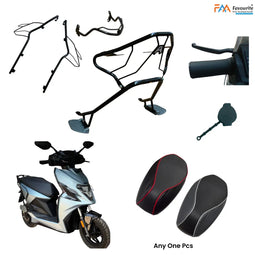
This is why scooter crash guards are not optional on EVs. They are basic protection.
3. Comfort Degrades Faster Than Expected
Electric scooters encourage smoother, longer rides. Without proper comfort accessories, riders feel discomfort sooner because there’s no engine vibration masking posture issues.
Stock setups are rarely enough for daily Indian traffic conditions.
What Electric Scooter Owners Actually Need
Forget generic lists. These are the real priorities, based on usage, not theory.
1. Structural Protection Comes First
Electric scooters need protection that absorbs real-world knocks, parking mishaps, and low-speed falls.
Crash guards designed specifically for electric scooters:
-
Protect side panels
-
Reduce repair costs
-
Preserve resale value
This is the first upgrade, not the last.
2. Comfort Is Not a Luxury on EVs
Comfort accessories directly affect how usable an electric scooter feels day to day.
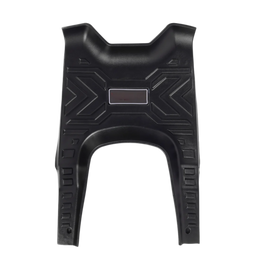
Footrests and floor mats are critical because they:
-
Stabilize rider posture
-
Improve grip during rain and traffic
-
Reduce leg and lower-back fatigue
A “comfortable scooter” is not about softness. It’s about control and balance.
3. Efficiency Is Influenced by Accessories
Accessories do not change battery size, but they influence riding behavior.
Poor posture, instability, and fatigue lead to:
-
Aggressive acceleration
-
Inconsistent riding patterns
-
Faster perceived battery drain
Good electric scooter accessories quietly fix this by making rides smoother and more controlled.
What Petrol Scooter Owners Still Get Right
Petrol scooters aren’t outdated. They just have different priorities.
Petrol-focused accessories are designed for:
-
Heat exposure
-
Engine vibration
-
Long-term mechanical stress
These upgrades still matter for petrol riders but do not translate well to electric platforms.
Trying to reuse petrol logic on EVs is where riders go wrong.
Indian Roads Change Everything
This is where theory meets reality.
Indian riding conditions amplify every flaw:
-
Stop-and-go traffic
-
Broken surfaces
-
Speed breakers
-
Tight parking spaces
Electric scooters feel these stresses more acutely because of their weight and structure.
Accessories that improve grip, posture, and protection matter far more here than they do on smooth roads.
How to Choose Accessories Without Overbuying
Instead of asking “What’s popular?”, ask:
-
Do I ride daily or occasionally?
-
Is my commute traffic-heavy?
-
Do I park in tight spaces?
-
Am I planning long-term ownership?
For most riders, the priority order should be:
-
Crash protection
-
Footrest and floor mat
-
Comfort-focused upgrades
-
Protective panels
Anything else is secondary.
Battery Anxiety: What Accessories Really Do
Accessories won’t magically extend battery capacity.
What they do is reduce:
-
Rider fatigue
-
Poor riding habits
-
Structural stress
Over time, this leads to more consistent performance and fewer avoidable issues.
That’s the real value.
Final Take: Stop Treating EVs Like Petrol Scooters
Electric scooters are not petrol scooters with batteries.
They are a different riding experience that demands different decisions.
Riders who understand this early:
-
Spend less on repairs
-
Ride more comfortably
-
Enjoy ownership longer
The smartest accessory upgrade is not buying more.
It’s buying what actually matches how electric scooters work.
FAQ
Can I use petrol scooter accessories on an electric scooter?
Some basic accessories may physically fit, but most petrol scooter accessories are not designed for electric scooters. Electric scooters are heavier, more balance-sensitive, and structurally different due to battery placement. Using petrol-focused accessories often leads to poor comfort, reduced stability, and higher long-term damage risk.
Why do electric scooters need different accessories than petrol scooters?
Electric scooters deliver instant torque, carry more weight, and rely heavily on body panels and housing for structural integrity. Accessories for electric scooters must support balance, posture, and impact protection, while petrol scooter accessories focus mainly on heat management and vibration control.
What is the most important accessory for an electric scooter?
For most electric scooter owners, a properly designed scooter crash guard is the most important accessory. It protects expensive panels and internal components from low-speed falls and parking damage, which are common in daily urban riding conditions.
Do electric scooter accessories affect battery performance?
Electric scooter accessories do not increase battery capacity, but the right accessories improve riding efficiency. Better posture, stability, and control reduce aggressive riding habits, which helps maintain more consistent battery performance over time.


